
Dreams (1990)
A hopeful delusion is humankind’s last resort.
Many Japanese filmmakers – Yasujirō Ozu, Mamoru Oshii and most notably Hayao Miyazaki – are achingly umbilical with the concept of nature and environment. It is almost as if a whole generation, not only filmmakers, had been struck by a green wave of plantation and a sense of conservation in Japan. Deep roots of predilection to greenery and flora have always been embedded in their Shintoism and animistic view of the universe. But a cinematic click has been ever bolder and pronounced when it comes to acknowledge the destruction of the eco-world due to anthropocentric activities. Akira Kurosawa’s Dreams has been dominantly associated with the interpretation of dreams and the hidden world of the unconscious, drawing upon the works of C.G.Jung and Yasunari Kawabata’s ethereal revelation about dreams. I beg to differ here that it is his long-concerned-back-of-mind inclination that likely influenced, then instigated and finally resulted in a form of mutually intended dream sequences that formed the building block materials for this film.
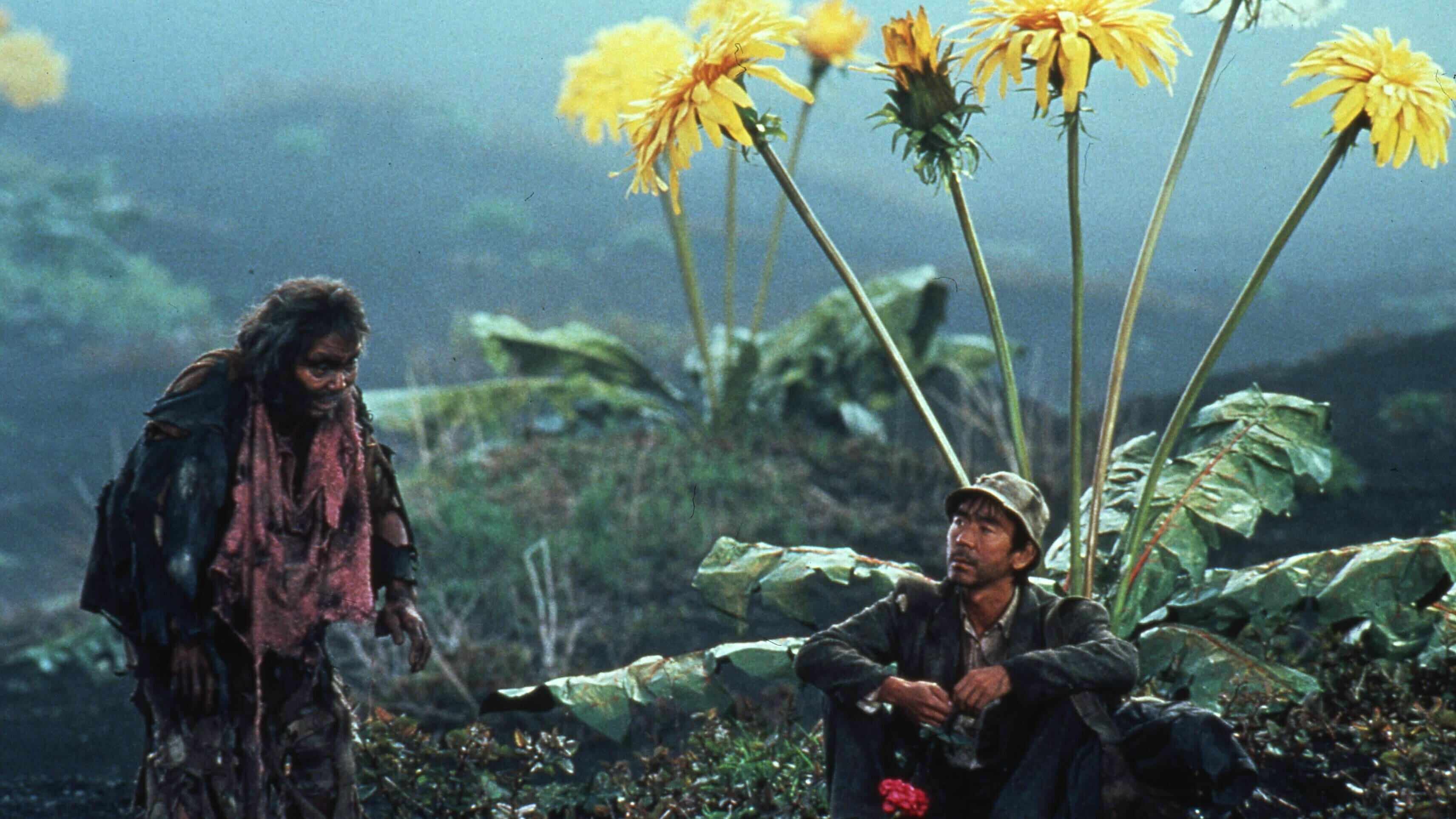
Dreams is Akira Kurosawa's prose on humankind's longing for greed and ultimate failure to coexist with nature—the mother Earth—that stemmed from his deep-seated anguish and guilt. Dreams is an anthology film that gazed at his concern from 8 different angles, possibly branching out from his youth to elder periods. Every segment has a spirit of their own, an embodiment of siren and wailing. And every one of them also has a hopeless and helpless protagonist that mirrors Kurosawa himself in the middle, taking the fault and berated to dirt.
The first two segments clearly reflect the child's innocent perspective of mystique and unknown where he is often found confused and dumbfounded by why adults do what they do. The peach orchard spirits and kitsune spirits channel protest against humankind. And there is that little girl impersonating a little orchard tree who exudes hope and spring. I would not say I left hopeful after that but maybe shared a guilt. Costume design left no crumbs. Lavishing spring youth remains.
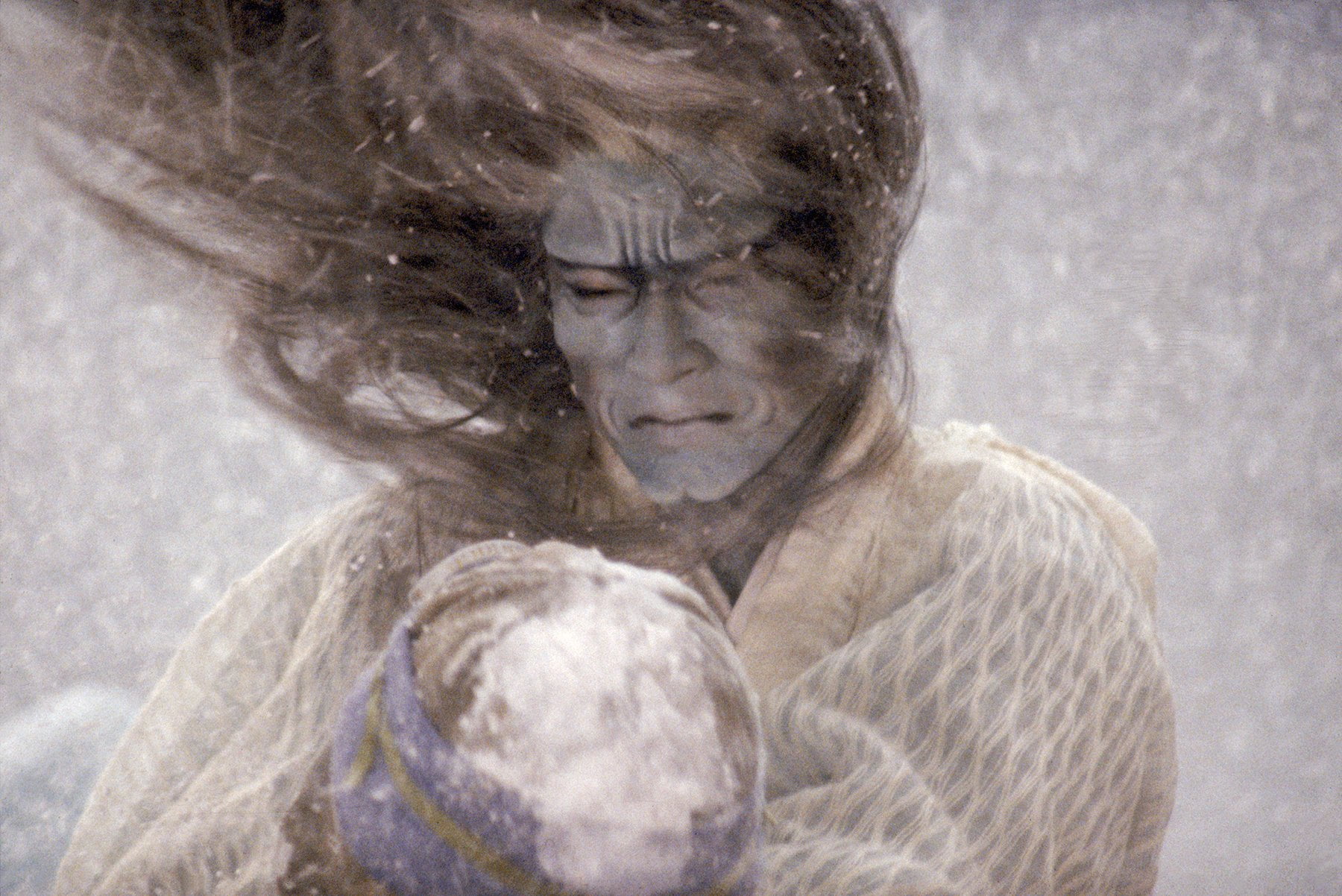
The third segment is about the inevitability and the unboundedness of nature where humankind is constantly reminded that they are not without nature but vice versa is not true, through the gentle spirit of eternal glacier mountain closely resembling Mount Kailash or Everest. There is a couple second transformation of spirit into a wrathful and vengeful deity (like an angered Bodhisattva) angered after a man declares not to unbecome and she vanishes into thin air. The cinematography is gorgeously crafted here.
The fourth one is called the tunnel where a lone survivor from a certain war is being haunted by his comrades who did not make it alive. It definitely foreshadows humankind's biggest yet creation of unbecoming and pulls out who really they are and a limbo they live in. I was slightly bored with this one.

The fifth segment is about a man on an excursion about one of the few true who learned to appreciate nature. There are nice few caricatures that envisioned modern greats such as Loving Vincent and The Peasants.
Sixth and seventh ones are perhaps the most relevant ones to our current time, an impending death from nuclear war and warring states of capitalism. It is uncanny that there is a verse from a Mongolian epic, Jangar, that is about prophesying a time where a deer eats a deer and a man eats a man and a savior is to be born and demon-turned humans eat each other based on class and social stratification.
The last segment is about a utopian village where humans learned to coexist with nature and Henry David Thoreau's Walden has become realized. The passing is a celebration, the non-civilization is a hope and hard work is rewarded.
Seeing Dreams on a big screen was a miracle and technicolor transformation is pure magic. Dreams is Akira Kurosawa's most hopeful and "dreamy" work I have seen so far.
P.S. I am blown away to find out Van Gogh was revived by Martin Scorsese. He was absolutely unrecognizable.
Screened at LAB111 in Amsterdam, the Netherlands.
Бичсэн: